
Show me a sleep hygiene article that doesn’t mention it, and I’ll show you a pillow stuffed with golden unicorn feathers. Research shows people who have a supportive social network are more likely to remain alcohol-free after withdrawal. Those with a wider circle of support have a better chance of staying sober.
How Smoking Affects Sleep Quality
- There is no exact timeline for alcohol withdrawal, and individual factors, such as the level of dependence on alcohol, will influence it.
- If you drink alcohol regularly, especially in high amounts before bed, your body can start to get used to falling straight into deep stage 3 sleep due to alcohol’s sedative properties.
- The truth is, it depends on several factors, including how long and how much you drank.
- Quality sleep is essential for physical recovery, cognitive function, emotional regulation, and immune system support.
- It’s worth noting that the long-term benefits of quitting alcohol extend beyond just improved sleep.
Fortunately, insomnia usually diminishes over time; however, there are many coping skills one can practice in order to improve their sleep by implementing healthy sleep habits. Sober nights unfold like a time-lapse flower blooming, revealing the vibrant colors of insomnia after quitting drinking restorative sleep long masked by alcohol’s dulling effects. This poetic imagery captures the transformative journey many experience when they decide to quit drinking alcohol. The path to better sleep after giving up alcohol is not always smooth, but it is undoubtedly rewarding. In a medical detox setting, healthcare professionals offer targeted treatments to manage sleep disturbances safely and effectively. These may include non-habit-forming sleep aids, ongoing monitoring, and therapeutic support to address both physical and emotional symptoms.
The Benefits of Medically Supervised Detox for Sleep Health in Recovery
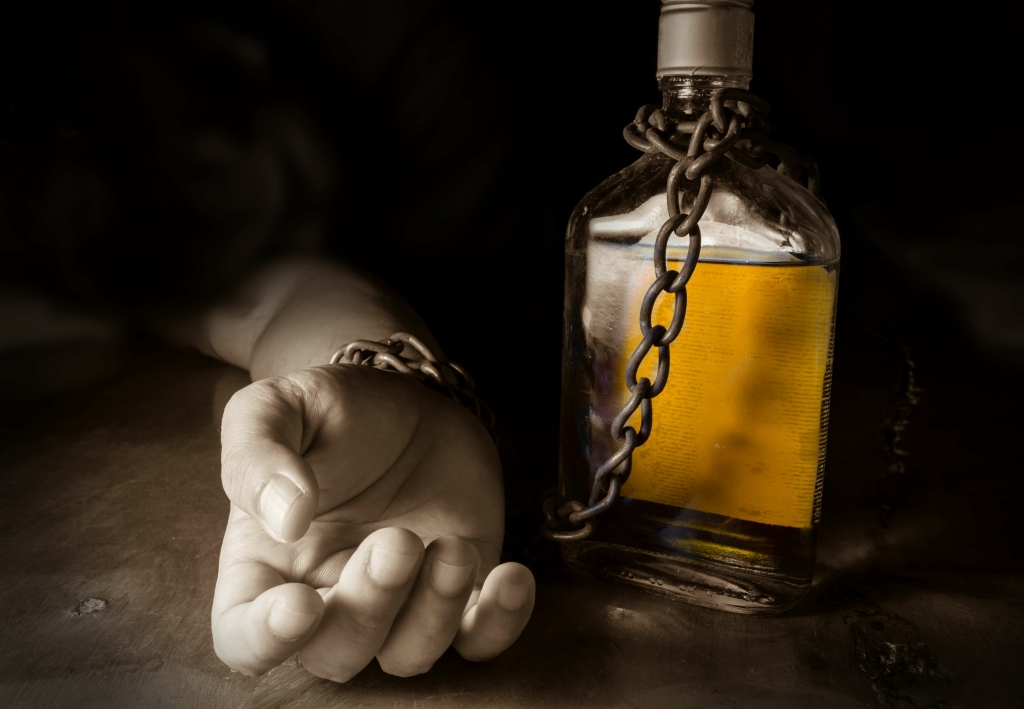
In many cases, people recovering from alcohol use typically have more problems with sleep onset than with sleep maintenance. In other words, while they can often stay asleep all night, they have significant problems actually falling asleep. Recovering from alcohol addiction often involves several common side effects, including symptoms of insomnia. Whether you’re currently recovering or thinking about starting your recovery journey, you may be wondering how long symptoms of insomnia may last after quitting alcohol. This is the reason alcoholism treatment behind many of the common alcohol withdrawal symptoms, such as elevated heart rate and rapid breathing, shakes, and muscle cramps.
Sleep Hygiene Education
Remember you are facing a difficult challenge during alcohol withdrawal, but you are not alone. There are many resources available to help, including peer support groups, counseling, therapy, and inpatient rehabilitation. For people who experience hallucinations as part of alcohol withdrawal, these may begin in the 12- to 24-hour time frame. When you quit alcohol, your brain may lag in adjusting and still overproduce stimulating chemicals.
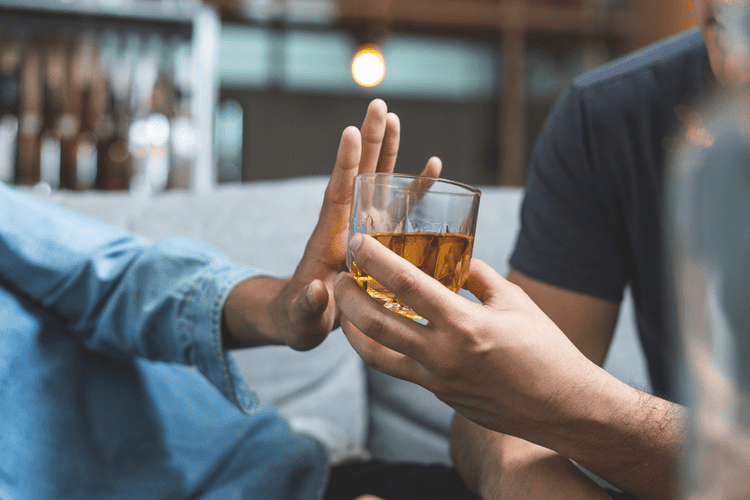
For those considering quitting alcohol, the potential for improved sleep quality can be a powerful motivator. While red wine may not actually help you sleep, giving up alcohol altogether can lead to significant improvements in sleep quality and overall health. It’s important to remember that the journey to better sleep is not always linear, and patience and persistence are key. Would one experience these alcohol withdrawal symptoms if they drank 2 to 3 drinks a night and then quit cold turkey? I have recently decided to quit in https://ecosoberhouse.com/ order to cut out my sugar in an effort to better my cholesterol.